




Texas Quality Plumbing
Quality work at a price you can afford.
What is the material of my home's pipes?
Follow our piping guide below to discover what sort of plumbing material you have in your home:
Copper: Copper pipes were used in most homes built between the 1970s and early 2000s. When they're new, they're a golden brown color, but over time, they turn to a deep rust or brown color. Copper pipes can last up to 50 years.
Galvanized Steel: Pipes that are gray in color are most likely constructed of galvanized steel. This material is less expensive than copper and was commonly used in houses up until the 1970s. When builders discovered that it only lasted for around 40 years, they stopped using it as much.
PB (polybutylene): "PB2110" is the most popular marking for this piping. These flexible pipes are usually gray, although they may also be black or blue.
PVC (polyvinyl-chloride): White plastic pipes are most often seen beneath kitchen and bathroom sinks, where they serve as drain pipes.
PEX (cross-linked polyethylene): Plastic tubing that is usually white, red, or blue and is used to indicate hot and cold pipes. Because of its flexibility, plumbers employ this material often.
Cast Iron: This pipe has a black finish and was in widespread use from the mid-1960s to around 1970.
What are the most prevalent plumbing issues?
Plumbing issues are all too common. Even in newer homes, clogged drains or a water leak may appear when you least expect it. These are the most typical plumbing issues, whether you're living through repairs or an older home, or simply buying a new house and want to be prepared:
Clogged toilet
Clogged bath or shower drain
Garbage disposal blockage
Lacking hot water pressure
Running toilet sewage smell in the house
Sewage odor in your house from a blocked sewer line
Backed-up sewage system
Low water pressure
Leaky faucets
Leaking pipes
Water heater repair issues
Why should you never attempt to unclog your drains without the assistance of a professional plumber?
When it comes to little blockages, you may be considering how a do-it-yourself remedy would work to unclog your pipes. However, DIY drain cleaning methods are never a full solution to plumbing issues. Drain snaking your drain with a wire hanger and pouring strong chemicals down the sink is one of many do-it-yourself drain cleaning techniques. Your drains are an important component of your home that must be treated with care and accuracy.
Although pouring Drano down your drain may seem appealing, a number of home remedies for drain cleaning can be ineffective or worse, harmful. At-home techniques for drain cleaning entail too much guesswork that only masks your plumbing concerns rather than resolving them all at once. Snaking your drain on your own only reaches surface clogs and blockages, not deeper ones within the pipe that are causing the actual issues. In addition, chemical drain cleaners include hazardous chemicals that form slime and sludge in your pipes, which can remain there for long periods of time. Instead of attempting to fix your plumbing problems yourself, contact us immediately.
What's the best way to clean my plumbing system?
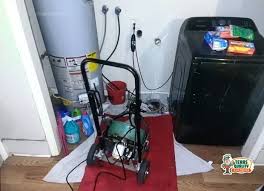
Your plumber will utilize a non-toxic Hydro Jetting treatment to clean your home's plumbing system. Schedule a hydro jetting session for your house every two to three years.
What is Hydro Jetting?
We recommend a high-pressure water jetting procedure, which does not use chemicals. Our team can clean out blockages, debris, and tree roots by forcing water through your pipes at nearly 4000 PSI. Debris is blasted with a pressure of almost 4000 pounds per square inch, allowing wastewater and waste to flow freely through your plumbing.
Rate us and Write a Review
- Monday24 hours open
- Tuesday24 hours open
- Wednesday24 hours open
- Thursday24 hours open
- Friday24 hours open
- Saturday24 hours open
- Sunday24 hours open
September, 2026
Thursday
4:00 am - 4:30 am
4:30 am - 5:00 am
August 26,2019
- Tuesday
- 9:00am - 10:00am
Awesome Job!
We have received your appointment and will send you a confirmation to your provided email upon approval.
- $$$$
- Price Range 90 - 3000
 Own or work here?

-
$190.00
/ Per Listing
-
Duration : 365 days
Lorem ipsum dolor sit amet, lorem sit.
- Map Display
- Contact Display
- Image Gallery
- Video
- Business Tagline
- Location
- Website
- Social Links
- FAQ
- Price Range
- Tags/Keywords
- Business Hours
- Menu
- Deals-Offers-Discounts
- Lead Form
-
$390.00
/ Per Listing
-
Duration : 365 days
Lorem ipsum dolor sit amet, lorem sit.
- Map Display
- Contact Display
- Image Gallery
- Video
- Business Tagline
- Location
- Website
- Social Links
- FAQ
- Price Range
- Tags/Keywords
- Business Hours
- Resurva
- Menu
- Deals-Offers-Discounts
- Lead Form
-
$790.00
/ Per Listing
-
Duration : 365 days
Lorem ipsum dolor sit amet, lorem sit.
- Map Display
- Contact Display
- Image Gallery
- Video
- Business Tagline
- Location
- Website
- Social Links
- FAQ
- Price Range
- Tags/Keywords
- Business Hours
- Resurva
- Menu
- Deals-Offers-Discounts
- Lead Form
-
Free
/ Per Listing
-
Duration : 30 days
Lorem ipsum dolor sit amet, lorem sit.
- Map Display
- Contact Display
- Image Gallery
- Video
- Business Tagline
- Location
- Website
- Social Links
- FAQ
- Price Range
- Tags/Keywords
- Business Hours
- Resurva
- Menu
- Deals-Offers-Discounts
- Lead Form
-
$19.00
/ Per Listing
-
Duration : 30 days
Lorem ipsum dolor sit amet, lorem sit.
- Map Display
- Contact Display
- Image Gallery
- Video
- Business Tagline
- Location
- Website
- Social Links
- FAQ
- Price Range
- Tags/Keywords
- Business Hours
- Menu
- Deals-Offers-Discounts
- Lead Form
-
$39.00
/ Per Listing
-
Duration : 30 days
Lorem ipsum dolor sit amet, lorem sit.
- Map Display
- Contact Display
- Image Gallery
- Video
- Business Tagline
- Location
- Website
- Social Links
- FAQ
- Price Range
- Tags/Keywords
- Business Hours
- Resurva
- Menu
- Deals-Offers-Discounts
- Lead Form
-
$79.00
/ Per Listing
-
Duration : 30 days
Lorem ipsum dolor sit amet, lorem sit.
- Map Display
- Contact Display
- Image Gallery
- Video
- Business Tagline
- Location
- Website
- Social Links
- FAQ
- Price Range
- Tags/Keywords
- Business Hours
- Resurva
- Menu
- Deals-Offers-Discounts
- Lead Form
Claim request is processed after verification..
